How to maintain cleanliness and safety in production halls during high temperatures
The summer months present a challenge for manufacturing operations. High temperatures affect not only employee performance but also the condition of machinery, workplace hygiene, and overall safety. By adapting operations to hot weather conditions in a timely manner, businesses can prevent unnecessary downtime, workplace accidents, and declines in productivity.
Hygiene comes first
During hot weather, sweat and grease accumulate more quickly and are often transferred unconsciously from hands to buttons, touch screens, tools, or product packaging.
- Provide easily accessible hygiene stations equipped with paper towels, soap, and hand sanitizer throughout the workplace.
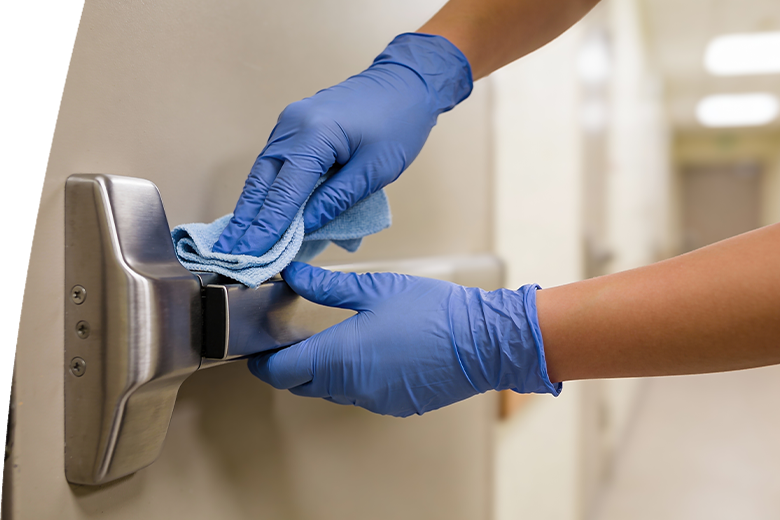
- Increase the frequency of cleaning often touched and contact surfaces, such as door handles, switches, and control panels.
- Choose highly absorbent paper products that effectively remove sweat and grease without spreading contaminants.

Keeping floors safe
Condensation often forms in areas where warm and cold air meet, such as passageways between production halls and warehouses. This can create invisible moisture on floors, increasing the risk of slips and falls.
- Regularly inspect high-risk areas, including entrances, corridors, and locations with heavy foot traffic.
- Use industrial floor wipes or rolls that are durable, highly absorbent, and capable of quickly removing moisture.
- Increase floor-cleaning frequency during peak traffic periods or significant temperature fluctuations.
Balanced temperature and air quality
Indoor production facilities with poor ventilation lead to rapid rise of temperature. At the same time, humidity levels increase, negatively affecting machinery, electronics, and stored materials.
- Regularly inspect, maintain, and service ventilation and air-conditioning systems.
- Consider installing shading solutions, such as window films, to reduce heat gain.
- In areas exposed to excessive heat, mobile cooling units or humidity-controlled fans can help improve working conditions.
Employee comfort and hygiene
Heat increases fatigue and reduces concentration. It also leads to increased perspiration, placing greater demands on personal hygiene and workwear.
- Allow employees to take short, but more frequent hygiene breaks.
- Ensure paper towels and hygiene products are available directly in work zones, not only in changing rooms.
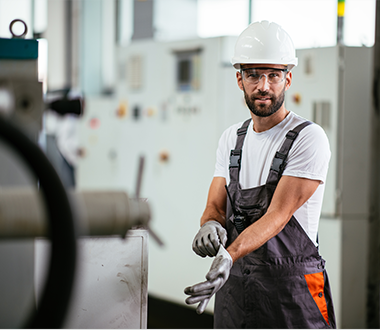
- During warmer months, review the frequency of replacing personal protective equipment (PPE), such as gloves, caps, and work shirts.
- Improve hydration by increasing the availability of drinking water, unsweetened beverages, and electrolyte drinks.
Preventing heat stress
Working in production halls during the summer can cause additional strain on the body. Prolonged exposure to high temperatures increases the risk of dehydration, fatigue, and heat stress, which can negatively impact concentration and increase the likelihood of workplace accidents.

- Regularly remind employees how important it is to stay hydrated and ensure sufficient access to fluids throughout every shift.
- Watch for signs of heat stress, including headaches, dizziness, excessive fatigue, and nausea.
- Where possible, schedule physically demanding tasks during cooler parts of the day, such as early mornings.
- Provide adequate breaks in cooler areas to allow employees to recover.
- Ensure supervisors are familiar with procedures for responding to heat exhaustion or heat-related collapse.
Protecting employee health during hot weather is not only a matter of comfort. It helps prevent production disruptions, reduces the risk of accidents, and contributes to higher productivity.
Monitoring and prevention through technology
High temperatures and humidity can also affect storage conditions, the stability of raw materials, and the performance of production equipment.
- Use digital sensors to monitor temperature, humidity, and CO₂ levels in critical areas such as warehouses, packaging lines, and food production zones.
- Connect sensors to alert systems that enable rapid response before problems arise.
- Monitor for mold growth and unpleasant odours in less accessible areas of the facility, where they can spread more rapidly due to humid, hot weather.

Maintaining cleanliness throughout every shift
Summer conditions increase hygiene risks throughout the workday. Food spoils more quickly, waste decomposes faster, and unpleasant odours become more intense.
- For every shift, implement cleanliness and hygiene checklists. A simple checklist signed by the responsible employee is often sufficient.
- When working in production or packaging areas, use products approved for food-contact environments.
- Empty waste bins more frequently, especially those containing organic waste or food scraps.