Targeted attacks on retail in 2026: How POS systems, payments, and customer data are at risk
In recent years, retail has become one of the main targets of cyber attacks. The reason is simple: high payment volumes, sensitive customer data, and often underestimated security in businesses. The year 2026 will bring even more sophisticated, targeted attacks that will not only focus on large chain stores but increasingly also on medium and smaller retail networks.
Cyber threats in retail are no longer a question of "whether", but "when."
Modern retail is a technologically complex ecosystem. POS systems, payment terminals, loyalty programs, online stores, mobile applications, and self-service checkouts - all these elements are interconnected and continuously processing data.
Retail is attractive to attackers mainly because:
- it processes payment data in real time
- it works with personal data of customers
- it has a high number of end devices (POS, terminals, kiosks)
- it often uses an outdated IT infrastructure model
For the attacker, a single weak point is sufficient to gain access to the entire chain.
How are POS systems at risk?
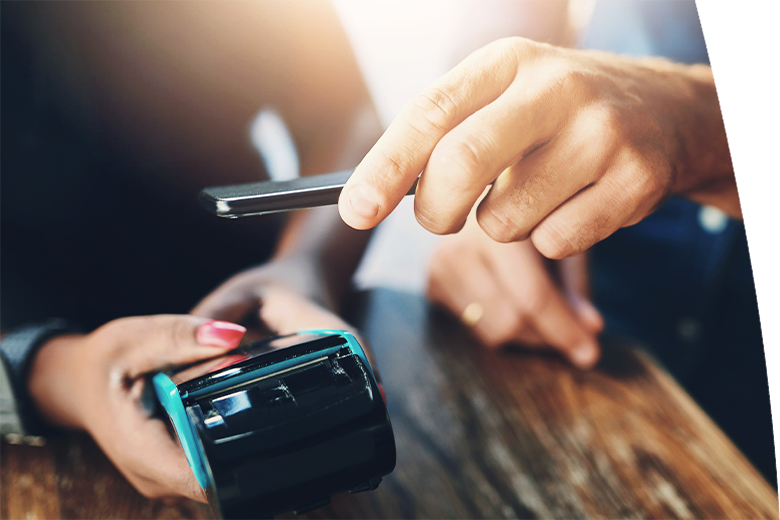
POS systems remain one of the most common targets of attacks. In 2026, an increase in the so-called memory scraping attacks is expected, in which the malicious code collects payment data directly during transactions.
The most frequent risks are:
- outdated POS software
- shared login data of staff
- lack of encryption of internal communication
- POS systems connected to the same network as office computers
Meanwhile, attacks often happen unnoticed, with no immediate symptoms, but with long-term consequences.
Payments under pressure
Contactless payments, mobile wallets, and QR payments increase customer convenience, but at the same time they expand the attack area. In 2026, attacks targeted on the following activities will become increasingly common:
- compromising payment gateways
- redirecting transactions
- misusing tokenization mechanisms
- performing fake updates of payment software
A single incident can result not only in financial loss, but also in the operation being suspended, and a reputation problem that can take months to solve.
Customer data is the most valuable prey
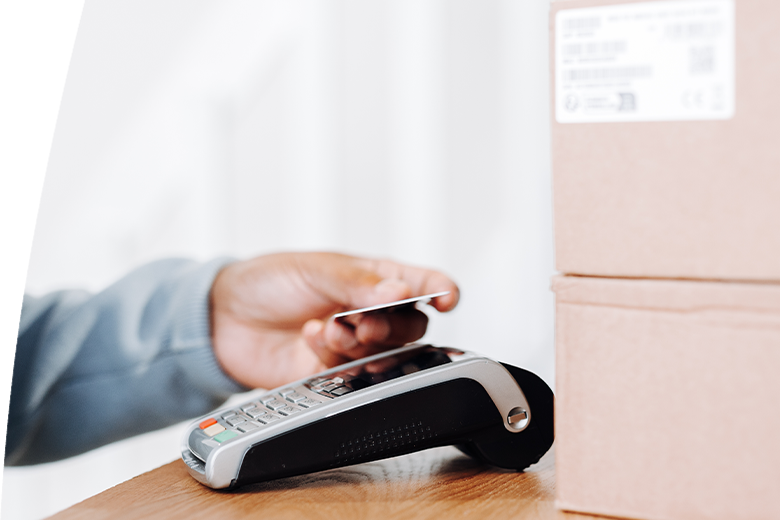
Personal data, purchase behaviour, email addresses, phone numbers, and loyalty profiles - that all is highly valued on the black market. Today, data leaks not only result in fines according to GDPR, but also in loss of customer trust.
In 2026, retail attacks will be increasingly:
- targeted - the attacker chooses a specific brand
- long-term - the attacker remains in the system for weeks or even months
- combined - technical attack + social engineering
An employee at the cash register or in the back office is often the link through which an attack starts.
What will be crucial in the year 2026
- to segment the network (separate POS, payments, and administration)
- to update systems and devices regularly
- to monitor system behaviour in real time
- to educate employees in the field of cybersecurity
- to have an incident response plan prepared
Cybersecurity is no longer just an IT-related topic. It is part of customer trust, continuity of operation, and stability of brand. Retail, which underestimates the importance of protecting POS systems, payments, and customer data in 2026, risks more than just financial loss - it risks its own reputation.
Sign up for our newsletter and receive regular updates on cybersecurity, retail technologies, and practical recommendations for your business.