What do you need to set in your facility already in October to avoid having to deal with a fire in December?
As the weather turns colder, the heating season will gradually begin, and with it comes a period of increased fire risk. It is therefore necessary to prepare well in advance for this period and to follow certain rules.
It is no longer true that being prepared simply means having a fire extinguisher on the wall or remembering the emergency number to call the fire brigade. Statistics show that fires in workplaces often occur outside working hours, when there are fewer people present, less attention is paid, and whatever has been neglected up to that point fully manifests itself.
Here are a few rules worth following if you want to prevent the occurrence of fires in your workplace.
1. Inspection of electrical installations
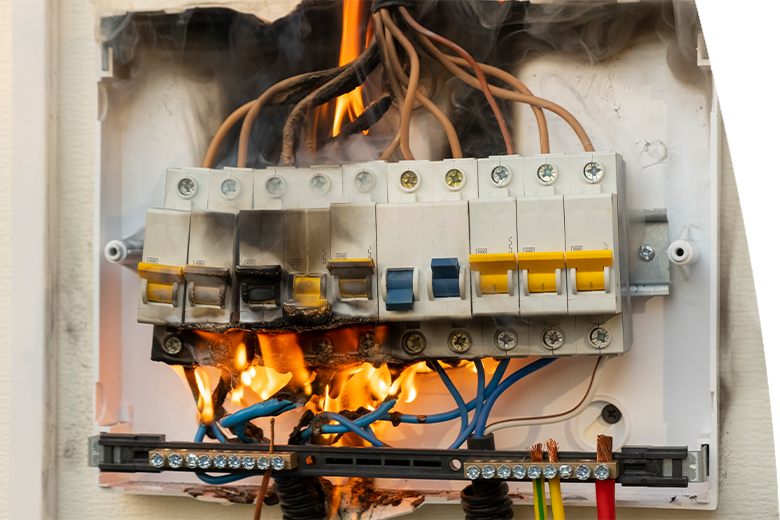
Appliances, chargers, cables and practically anything that plugs into electricity deserves particular attention. We should check and inspect them at least once a year, and autumn is the ideal time to do so.
Statistics from the Slovak Fire Service show that in 2024, 171 fires were caused by internal electrical installations, such as power distribution boards, wiring, connections and the like, and as many as 267 fires were caused by electrical appliances.
In the pre-winter period, Christmas decorations represent another important category. When it comes to electric decorations, it is definitely advisable to check the condition of the cables and, when buying new products, to stick to reputable manufacturers. We should avoid cheap and uncertified products, which may represent an increased risk of fire.
2. Turning off the technical equipment
Where possible, when the facility is closed or it is outside working hours, do not leave electrical appliances and technical equipment that do not need to be in operation plugged into sockets. This includes, for example, appliances in kitchenettes, various lights that do not need to remain switched on, fans, heaters, etc.
In particular, when left unattended, they might suffer a malfunction, which could cause extensive damage.
3. Cleaning
Cleaning is not only related to hygiene or the aesthetic appearance of the facility. It also plays a vital role in terms of safety. An excessive amount of cardboard and other flammable materials can literally act as a match in the event of a fire. If you have materials or goods stored in boxes, try to keep them further away from radiators and heating units.

4. Early detection
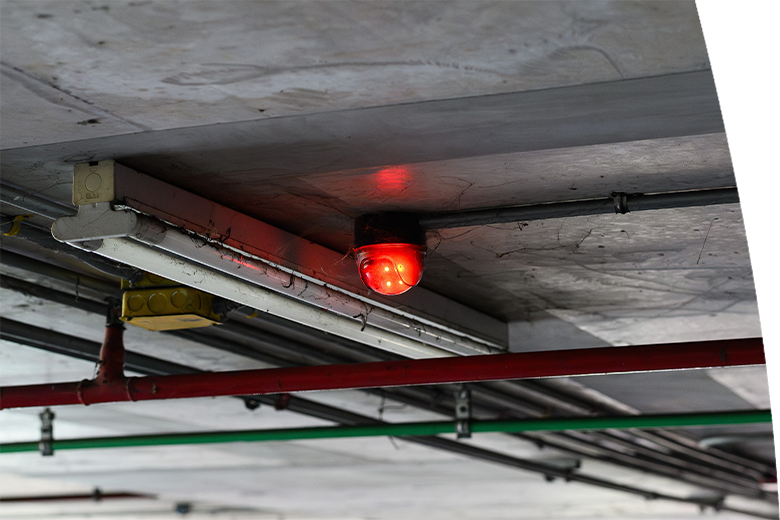
If your facility has a fire detection and alarm system (FDAS), then you have one point in your favour. However, this is usually not sufficient. The FDAS must be operating properly and correctly configured, so we recommend that you also check and test its condition. It is a great advantage if the FDAS is also connected to a centralized monitoring centre.
During your autumn inspections, do also check your fire and smoke detectors. Nothing must be blocking them or restricting their functionality. It is also advisable to check the signal transmission and perform regular servicing of the entire system.
5. Organisation
Having the right technical solutions is one thing, but even the best technology will not serve its purpose unless your organisational structure is adequate. Ultimately, everything depends on people, which is why staff should undergo the necessary training and everyone should be familiar with what to do in the event of a fire.
So make sure you address the following key questions:
- Who receives the alarm notification?
- Who are the first, second and third contact persons, and do these people really have their phones switched on?
- Who can come to the premises and unlock the building if necessary?
- Who will communicate with the fire brigade and provide them with the necessary information - for example, the location of the safety manual, floor plans, gas shut-off valves and the main electricity switch?
- What steps should be taken in case of a false alarm, and how to ensure that repeated false alarms do not lead to a real danger being underestimated?
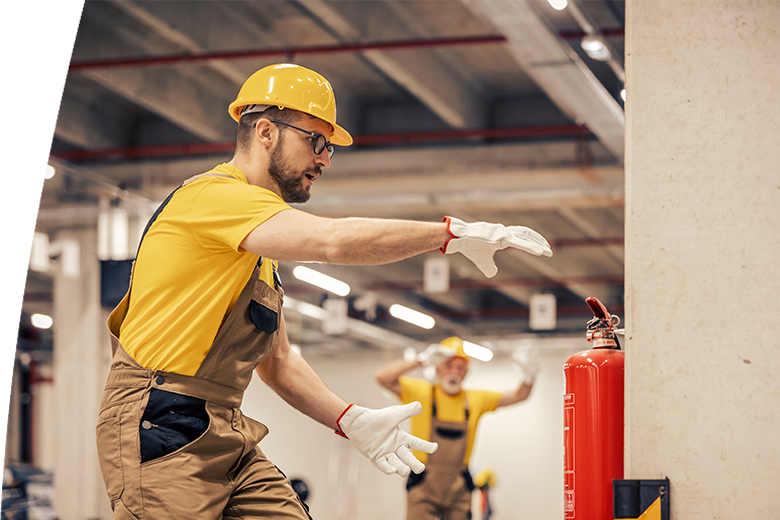
Every employee should also know where the fire alarms and fire extinguishers are located, which appliances need to be switched off when they are not present in the building, etc.
In addition to carrying out safety training, we therefore recommend preparing a fire safety policy. It does not need to be a complicated document covering several pages. A clear emergency plan, in which staff can find important contact details, information on emergency exits and other necessary instructions, would be more than sufficient.